



Effective time management is an important skill that you need to have if you want to successfully balance your personal and professional life. For a student, it can make the difference between a poor and a superior college experience.
Rather than let poor habits limit your college achievements and success, control your time by establishing clear goals, following a reasonable schedule, and working efficiently.
Read on to learn how to create a sensible schedule that will allow you to reach your full potential.
Monthly Calendar
Write down every important date on this calendar. This means recording deadlines for assignments and papers as well as marking down the days for important assessments such as quizzes, tests, presentations, midterms, and final examinations.
This calendar will be a constant reminder of what you need to stay focused on.

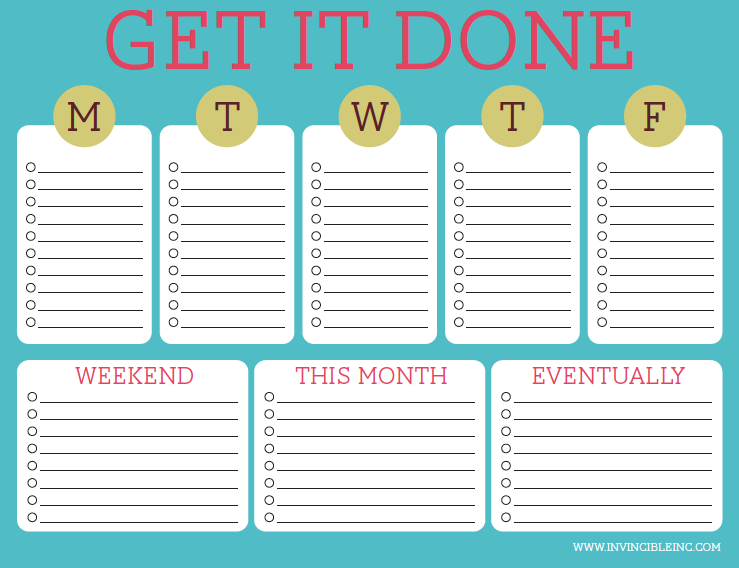
Weekly Priority List
Many students do poorly on their assignments, because they try to take on too much at once. With mini-deadlines that they set for themselves, students often report higher levels of success. For example, rather than trying to write a research paper at once, a student with great time-management skills will set personal deadlines for gathering research, creating an outline, writing the first draft, the next revision, and so on.
By breaking down assignments into manageable portions, you will be giving yourself a higher chance to succeed. As one school week finishes, start preparing a priority list for the next.
Here is what you need to focus on in your weekly priorities:
- Preparation and Review. Rather than skimming through material or cramming at the last second, make sure that you schedule in regular preparation and review times. Identify everything that needs to be read, reviewed, or written for each and every course you are taking. Record the specific chapters and pages that you need to refer to.
- One Step at a Time. Look over your month-at-a-glance calendar to see what major deadlines and dates are coming up and place these dates into consideration as well. Taking the previous research paper example, schedule in your personal deadlines on your weekly priority list.
Your weekly priority list will help you stay focused, on task, and away from procrastination. Without the stress of meeting deadlines while being crushed for time, you will be able to focus on learning and turn in work of higher quality.
Semester Plan
Your semester plan is a detailed, weekly schedule. It is a flexible plan that you can apply and adjust according to your weekly priorities throughout the semester. Here, plan how you will use all of your hours for every day of the week.
Here is what you will need to do:
- Identify Committed Time. Record the activities that you need to do every week, including class, work, family activities, fitness and sports times, commuting, etc.
- Identify Personal Time. Record the hours that you will be sleeping, eating, doing chores, grooming, etc. Make sure that you include time for relaxing as well, whether you plan for engaging with others socially or much needed alone time to pursue your interests. If you only schedule time for work, you will quickly find yourself too tired to be productive.
- Plan for Study Time. Estimate that you will need two hours of studying for every one hour of class per week when the semester starts. Once you start getting used to your classes, you will be able to better guess how much time you need for each class, with more time studying for difficult classes, and less time for simpler classes.
- Revise. Your plan will not be perfect. Play around with it until you find a balanced plan that will work for you throughout the semester.